
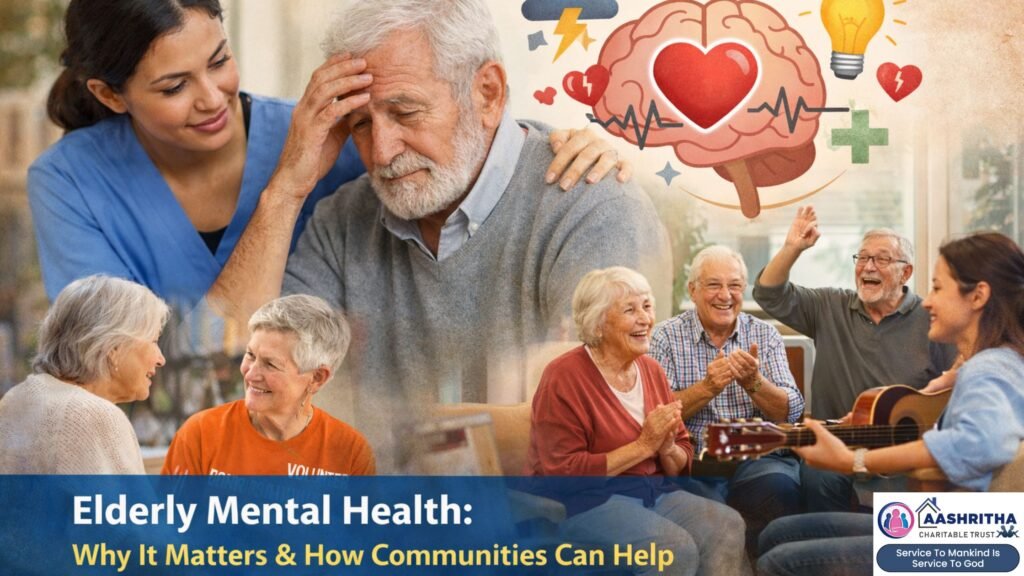
Elderly mental health is a crucial yet often overlooked aspect of overall well-being in aging populations. When we talk about mental health of the elderly, we are referring to emotional, psychological, and social well-being that affects how older adults think, feel, and act. These elements influence daily functioning, relationships, and the ability to cope with challenges such as chronic illness, loss of loved ones, or changes in independence. Focusing on this topic not only improves quality of life but also strengthens communities by nurturing healthier, happier aging citizens.
Understanding the Scope of the Problem
As people age, the risk of developing mental health conditions such as depression, anxiety, and cognitive disorders increases. Factors contributing to this include physical health problems, social isolation, financial stress, and major transitions like retirement or the loss of a spouse. Despite how common these issues are, many older adults do not receive the support or treatment they need due to stigma, lack of awareness, or limited access to services.
For instance, studies show that rates of depression among older adults range from 1% to 5% in those living in the community, and up to 13.5% in those requiring home healthcare or hospitalized for medical conditions. Similar trends exist for anxiety disorders and dementia-related conditions. These statistics illustrate how pervasive mental health concerns are among seniors and highlight the urgent need for greater attention and resources.
Why Elderly Mental Health Deserves Greater Focus
- A Growing Global Aging Population
With advancements in healthcare, life expectancy is increasing worldwide. This demographic shift means more people are entering older age, which raises the importance of addressing age-related mental health concerns proactively. - Quality of Life is at Stake
Good mental health enables older adults to enjoy life, maintain independence, form meaningful relationships, and stay engaged in their communities. Poor mental health, on the other hand, can lead to decreased motivation, physical decline, and an increased risk of chronic diseases. - Underdiagnosis and Treatment Gaps
Many older adults attribute symptoms of depression or anxiety to “normal aging,” leading to underdiagnosis and under-treatment. Bridging this gap is key to improving overall health outcomes. - Social and Economic Impact
Untreated mental health conditions can lead to higher healthcare costs, increased hospitalization, and caregiver burnout. Fostering mental well-being can reduce these burdens on families and healthcare systems.
What Causes Mental Health Challenges in Older Adults?
Several factors contribute to mental health struggles in later life:
- Physical Health Conditions: Chronic pain, mobility issues, sensory loss, and serious illnesses can trigger emotional distress.
- Loss and Bereavement: Grief from losing friends, family, or independence can be overwhelming.
- Isolation and Loneliness: Retirement, children moving away, and limited opportunities for social interaction can lead to feelings of loneliness.
- Financial Stress: Limited income or worries about expenses can increase anxiety.
- Stigma: Many older adults are reluctant to seek help because of cultural beliefs about mental illness or shame around emotional struggles.
Understanding these causes helps in developing thoughtful, empathetic strategies to support older adults.
How Communities Can Support Elderly Mental Health
Addressing mental health of the elderly should be a shared responsibility that involves families, care providers, nonprofits, and local governments. Below are practical ways communities can make a difference:
1. Promote Social Engagement
Loneliness is one of the strongest predictors of mental health decline. Communities can create safe spaces for older adults to socialize through:
- Senior clubs and social centers
- Hobby and interest groups (art, music, gardening)
- Volunteer opportunities
- Intergenerational programs connecting youth with elders
These interactions build a sense of belonging and purpose.
2. Expand Access to Mental Health Services
Ensure that older adults have access to:
- Counseling and therapy tailored to aging populations
- Support groups for depression, grief, and anxiety
- Telehealth options for those with mobility limitations
- Trained professionals in geriatric mental health
Reducing barriers to care encourages early intervention and better outcomes.
3. Educate Families and Caregivers
Families and caregivers play a vital role in identifying warning signs and offering emotional support. Workshops, webinars, and informational guides can help caregivers recognize when a loved one might need professional help.
4. Encourage Physical Activity and Healthy Lifestyles
Physical health and mental health are deeply connected. Exercise programs, nutrition workshops, and wellness classes can improve mood and cognitive function while fostering community bonds.
5. Advocate for Policy and Funding
Communities can push for:
- Increased funding for senior mental health programs
- Policies that fund community centers and transportation services
- Insurance coverage for mental health care
Advocacy ensures that resources are allocated to where they are most needed.
Real Stories: The Power of Community Support
Consider the impact of a local senior center that introduced weekly group activities and mental health check-ins. Many participants reported feeling more connected, supported, and optimistic about life. Others who joined intergenerational reading programs found renewed purpose and joy in teaching younger participants. These real-life stories reflect the profound effect that community involvement can have on elderly well-being.
Elderly Mental Health and Technology
Technology can be a powerful ally in supporting older adults. Teletherapy, mobile apps for mindfulness, online support groups, and virtual social events can help bridge the gap for those who are homebound or geographically isolated. Providing digital literacy training ensures that seniors can confidently use these tools to stay connected and supported.
The Role of Organizations Like Aashritha
At Aashritha, our mission is to enhance the lives of older adults by promoting holistic well-being, including mental health. Through community programs, counseling services, and public education, we help create environments where seniors feel valued, heard, and supported. By raising awareness about mental health of the elderly, we can reduce stigma and ensure that every senior has the opportunity to live with dignity and fulfillment.
Frequently Asked Questions (FAQ)
Q1. What are common mental health issues in older adults?
Common challenges include depression, anxiety, grief, stress related to chronic illness, and cognitive disorders like dementia. These conditions can affect mood, thinking, behavior, and daily functioning.
Q2. How can I tell if an elderly loved one is struggling with mental health?
Signs can include withdrawal from social activities, persistent sadness, loss of interest in hobbies, sleep disturbances, changes in appetite, irritability, or unexplained physical symptoms. If you notice these changes, consider consulting a healthcare professional.
Q3. Is depression normal in aging?
While it is common for older adults to experience sadness due to life changes, persistent depression is not a normal part of aging. It is a treatable mental health condition that deserves attention and care.
Q4. Can lifestyle changes improve elderly mental health?
Yes. Regular physical activity, healthy eating, social connections, mental stimulation, and adequate sleep all contribute to better emotional well-being.
Q5. Where can older adults get mental health support?
Support can be found through primary care providers, mental health professionals, community centers, counseling services, support groups, and online/telehealth resources.